How to Travel Cheap in the USA
Dreaming of exploring the United States without emptying your wallet?
All products and services featured on Be Free and Travel are independently selected by Anna Freitag. However, when you buy something through one of the featured links, we may earn an affiliate commission at no additional cost to you.
That’s why I’ve put together my best tips and tools for how to travel cheap in the USA. These strategies have helped me save thousands, and I know they’ll help you too!
This guide isn’t about van life. While that can be amazing for some, it’s not always practical (or affordable) for everyone. Instead, we’ll focus on options that will work for most people, without throwing money into a house on wheels.
Whether you’re planning weekend getaways or longer cross-country trips, I’ve got you covered. Here’s how to explore the U.S. on the cheap without sacrificing amazing experiences.
Finding Cheap Flights in the US
If you ask me, saving big on flights is half the adventure. And the rewards? More money for pizza in New York or tacos in Austin. But how do you actually score those legendary deals everyone raves about? Here’s how I do it.
1. Skyscanner: Harness the “Everywhere” Superpower
I’ll start with my favorite tool for restless souls: Skyscanner’s “Everywhere” search. Just plug in your home airport and let Skyscanner show you the cheapest destinations across the country. It’s perfect if you’re open to adventure!
Set up price alerts for your dream routes. That way, Skyscanner sends you a nudge the second prices drop. Flexibility is everything here; midweek flights or odd hours often mean the best bargains.
If you’re set on visiting a particular destination at a particular time you’re stuck paying potentially high prices. Staying open to your destination and time frame will provide the most money saving opportunities.
Here’s step-by-step how to find the cheapest US flights using Skyscanner:
Step 1 – Fly “Everywhere”
Put your home airport as the departure city in the “From” box. Select “Everywhere” as the destination in the “To” box. Pick “Flexible dates” and the month you’re thinking of traveling then hit “Search”.
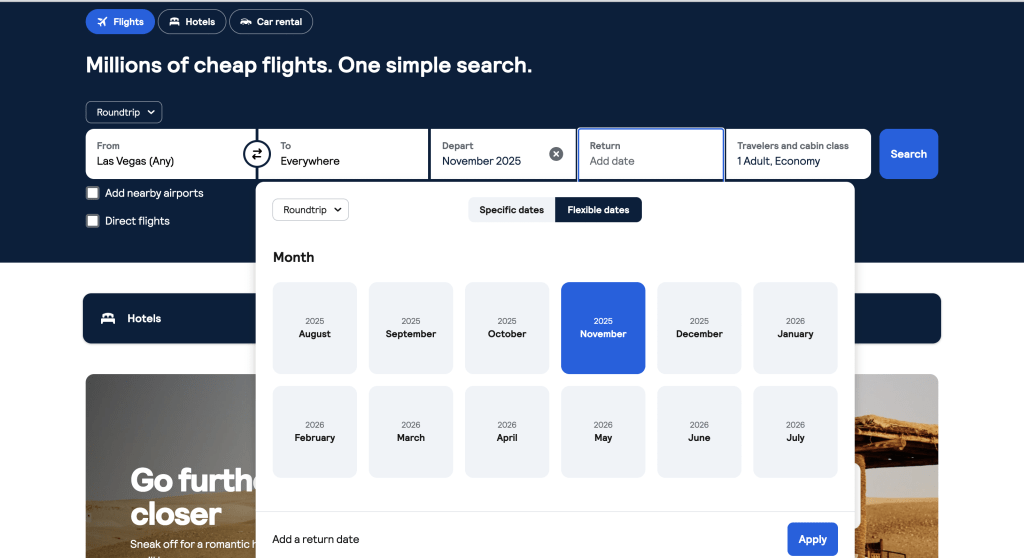
Note, it will default to “economy” for the class. You can change it if you’re looking to be bougie on a budget, but since this post is about how to travel cheaply in the US I’ve left it on economy.
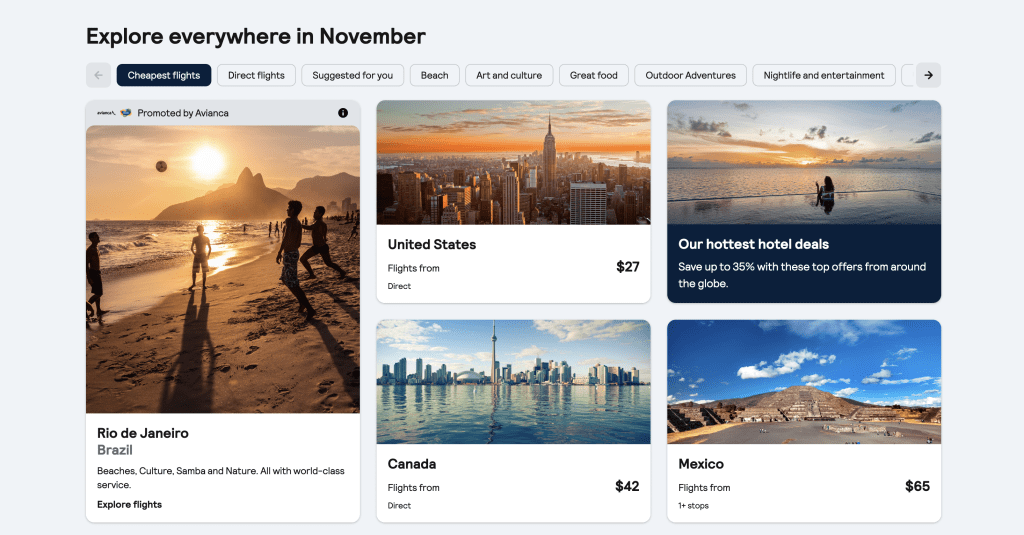
Step 2 – Select United States Flights
You’ll see a variety of destination tiles pop up in the results showing the lowest priced flights from your home airport. Select “United States” to explore your options.
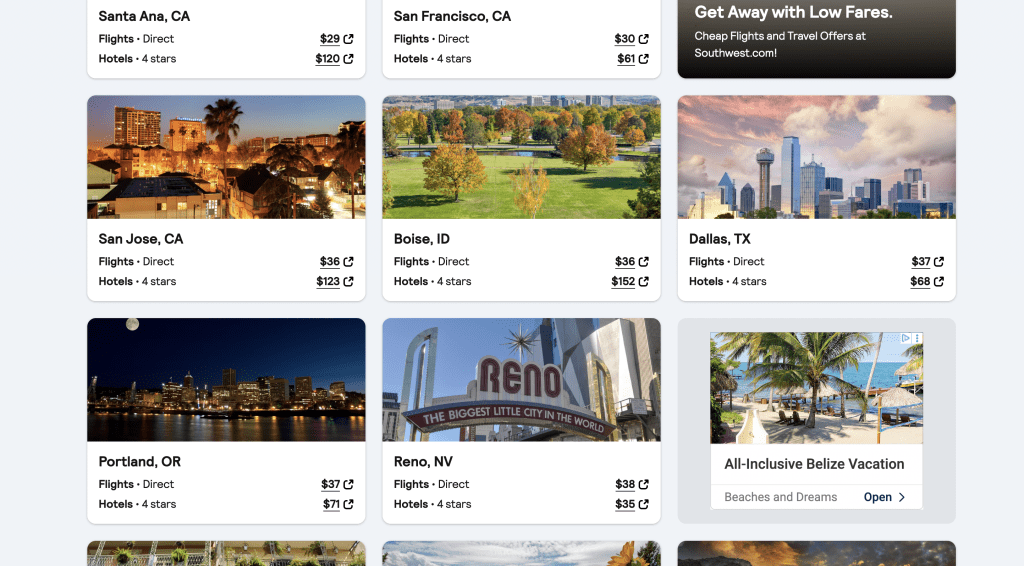
Step 3 – Browse Affordable US Flights
Scroll through destinations, conveniently seeing the lowest price point for flights for each US destination. Skyscanner will automatically sort them from lowest to highest price.
I love how they also give you an idea of hotel deals in the city!
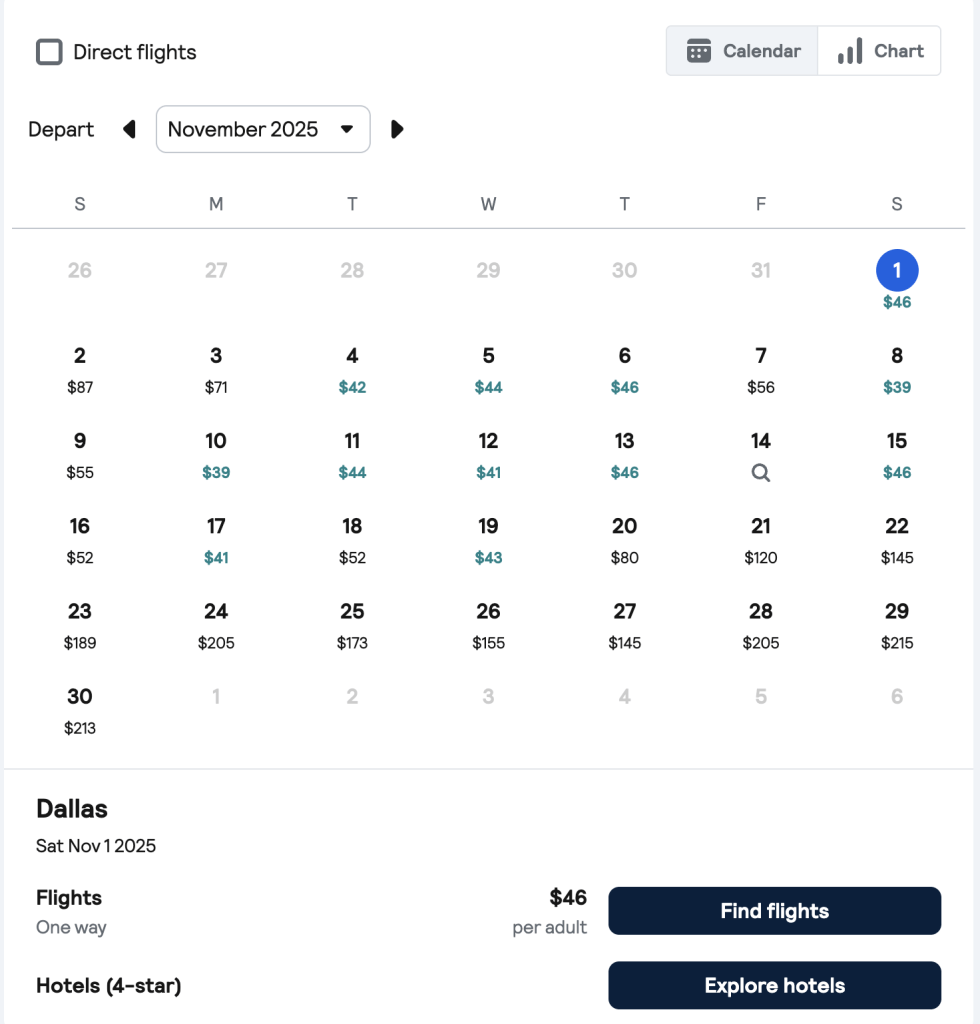
Step 4 – Select Cheap Travel Dates
Once you’ve decided on a destination it’s time to open up the calendar and choose your dates. Skyscanner shows you the lowest price point per day.
This is why staying flexible is key to finding the best deals. Below you can see my cheapest option is a $39 flight on 2 different days, with plenty of other options that won’t break the bank.
Go ahead and try it out yourself. Search the cheapest US flights now on Skyscanner.
2. Google Flights: The Calendar View Hack
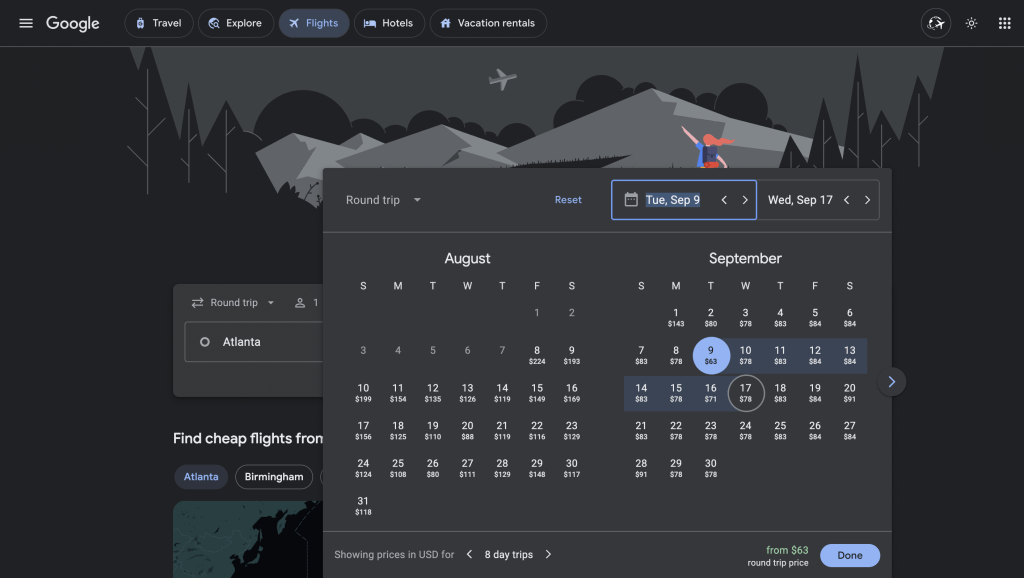
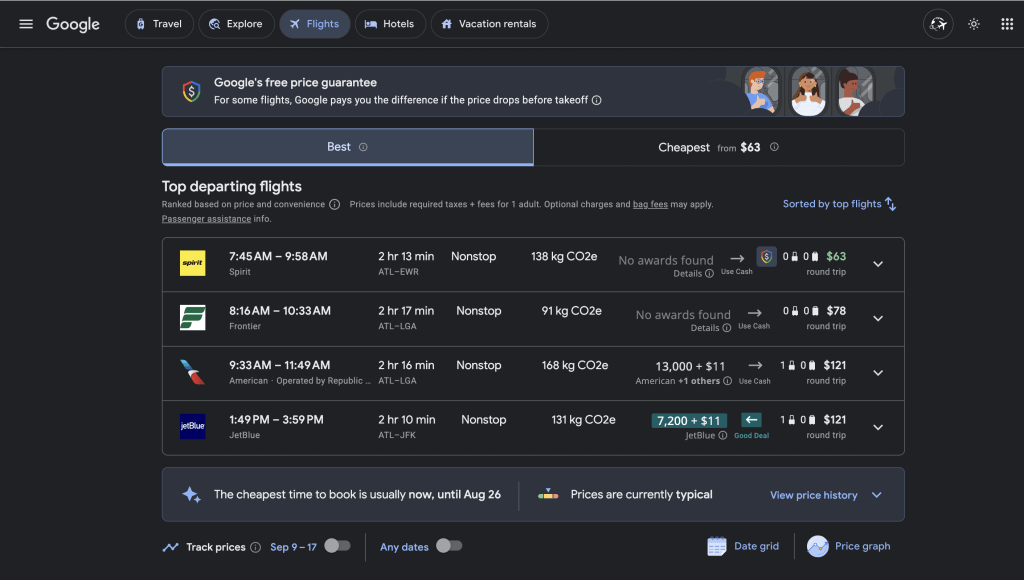
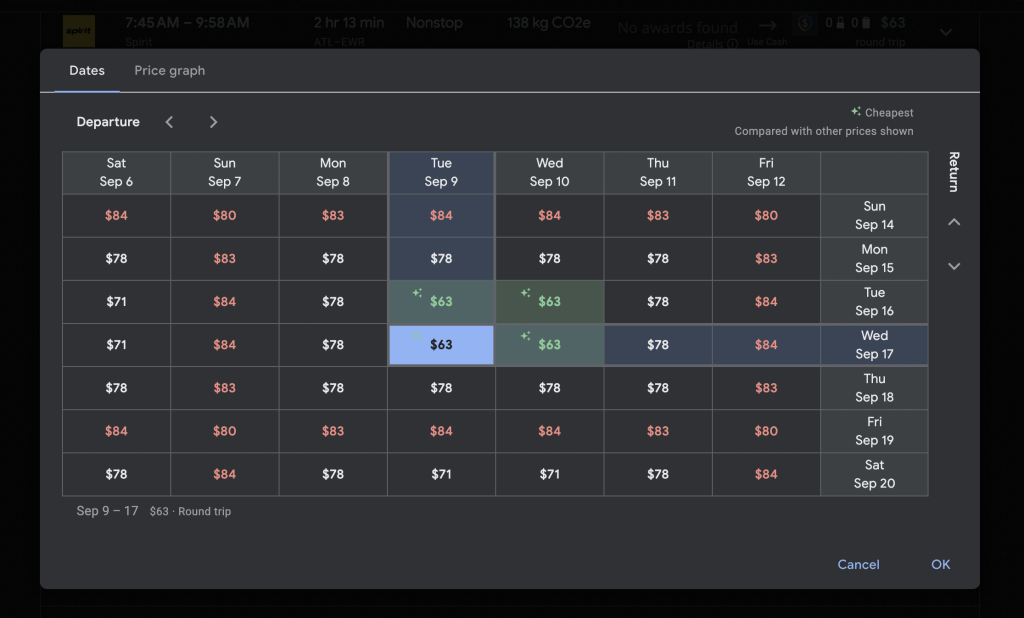
Don’t sleep on Google Flights! I love to use the calendar view and its date grid feature to scan for the cheapest days to travel. Sometimes I save hundreds just by shifting my trip a day or two. You’ll see a chart with both the departure and return dates to find the cheapest round trip flights in the USA.
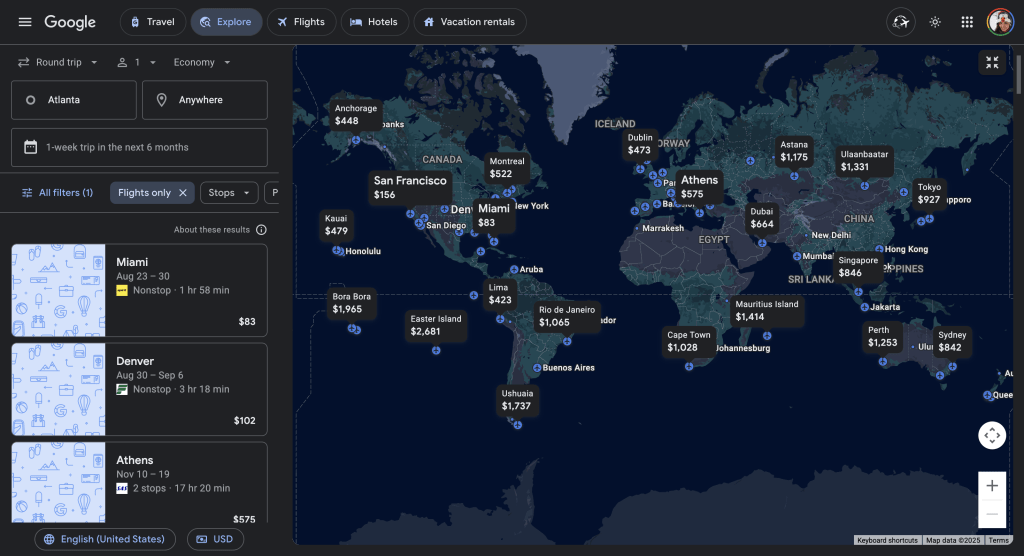
Similarly to Skyscanner, you can also use the “anywhere” feature on Google Flights to explore the cheapest deals from your home city.
Set up alerts if you’re planning ahead. Google Flights will tell you when to pounce on a deal.
Tools and strategies to Stretch Your Dollar
There are a few digital helpers and strategies I never travel without. They’ve saved me more than I can count. Here’s how.
1. Rakuten: Get Paid to Book
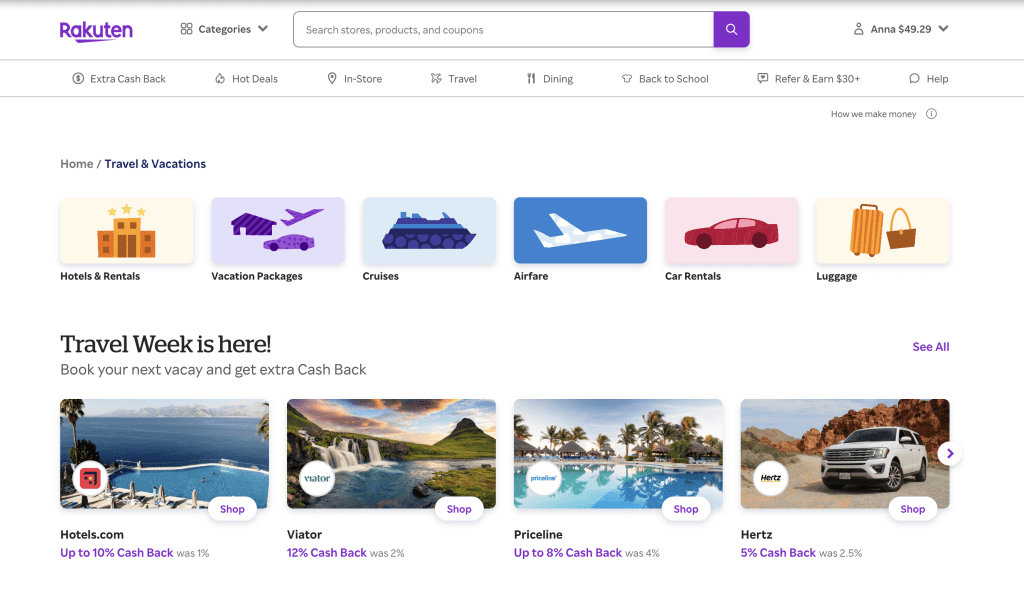
Before you reserve anything, head to Rakuten. This cashback platform partners with major sites, helping you save on hotels, cruises, tours and more. Just click through and get a little cash back on every reservation.
Simple, but over time those dollars add up. I’ve pocketed enough for a surprise splurge or two.
Pro tip: Install the chrome extension and automatically see cash back deals available on every site you visit without remembering to go to Rakuten first.
Sign up for Rakuten today and get a bonus $30 cash back on your first purchase.
I love this tool so much I have a whole post dedicated to all the ways it can boost your travel savings.
Read More: Travel Cheaper With Rakuten
2. Travel During Off-Peak Seasons
A little timing can save a ton. If you can, plan your trips in spring or fall (hello, autumn colors!). National parks are quieter and hotel rates drop everywhere. Avoid big holidays when prices skyrocket. Sometimes, shoulder season has better weather anyway. Talk about a bonus!
Do a little research to see when peak season is for the particular US city or area you have in mind. Shoulder season will be approximately one month on either side of it.
3. Free and Low-Cost Activities Across the US
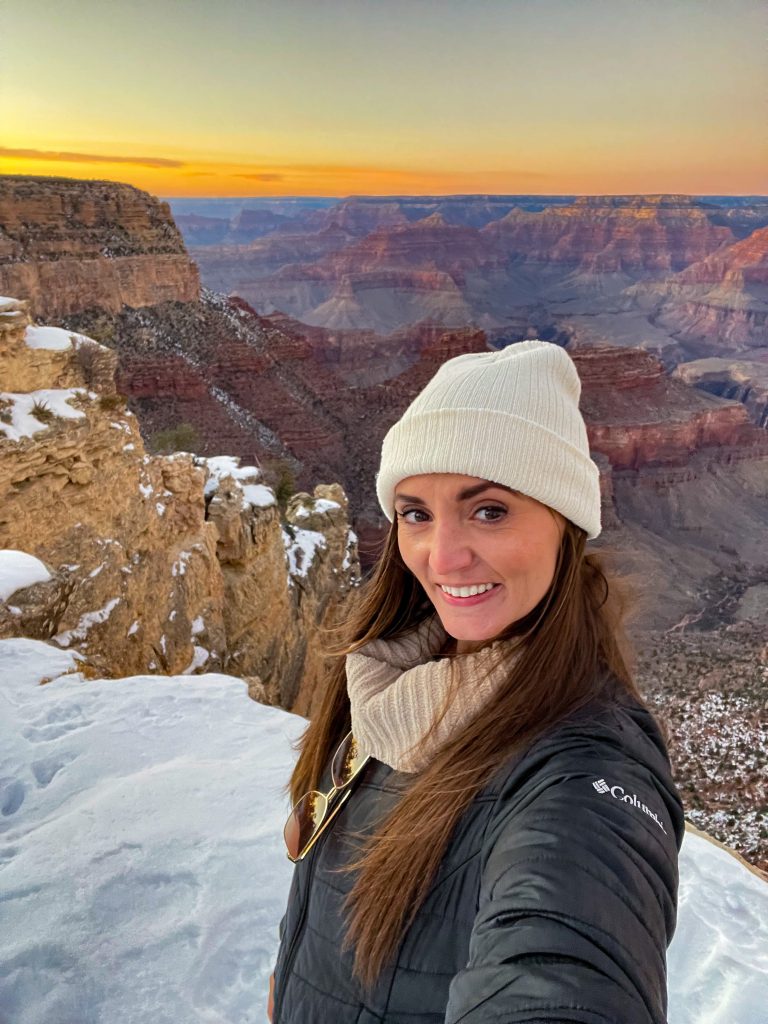
If there’s one lesson from all my budget travels, it’s that the best moments are usually free. Think catching the most beautiful sunset over the Grand Canyon kind of free.
- National Parks Annual Pass: $80/year opens up every national park. Worth every penny!
- Free Museum Days: Plan your city visits around free admission days (DC museums, anyone?).
- Local Events: Check Eventbrite for pop-up festivals, street fairs, and outdoor movie nights. Sometimes, the best days cost absolutely nothing.
Additionally, US National Parks offer a few free entrance days per year. If you take advantage do plan to arrive EARLY, like crack of dawn kind of early. If you don’t you may end up waiting for hours just to get to the entrance gate.
4. Earning (and Spending) Travel Rewards
Points and miles changed the game for me. Sign up for a beginner-friendly card like Chase Sapphire Preferred or Capital One Venture, watch for sign-up bonuses, and start racking up points. Redeem them for flights or hotels, and those “expensive” cities suddenly don’t seem so intimidating.
How to know if this is for you?
- You have good credit
- You are responsible with your spending and only buy what you can afford
- You pay your bills on time, every time
- You want to travel the beautiful USA on a budget
Accommodation Hacks: Stay for Less
Let’s dive into the details of some of the best ways to save on US stays.
Accommodation can easily become one of the biggest expenses when traveling in the USA. In some cities, the hotel alone can make you question every life choice that led you to clicking “book now.”
But here’s the good news: you have options.
You do not need to stay in a luxury hotel to have an amazing trip. You also don’t need to sleep in your car or give up comfort completely. The sweet spot is finding places that are safe, clean, convenient, and budget-friendly.
Here are my favorite ways to save money on places to stay in the USA.
1. Use Expedia to Stack Hotel Savings
One of my favorite ways to find cheap hotels in the USA is by checking Expedia.
I like Expedia because it makes it easy to compare hotels, motels, vacation rentals, and package deals in one place. But the real magic happens when you stack rewards.
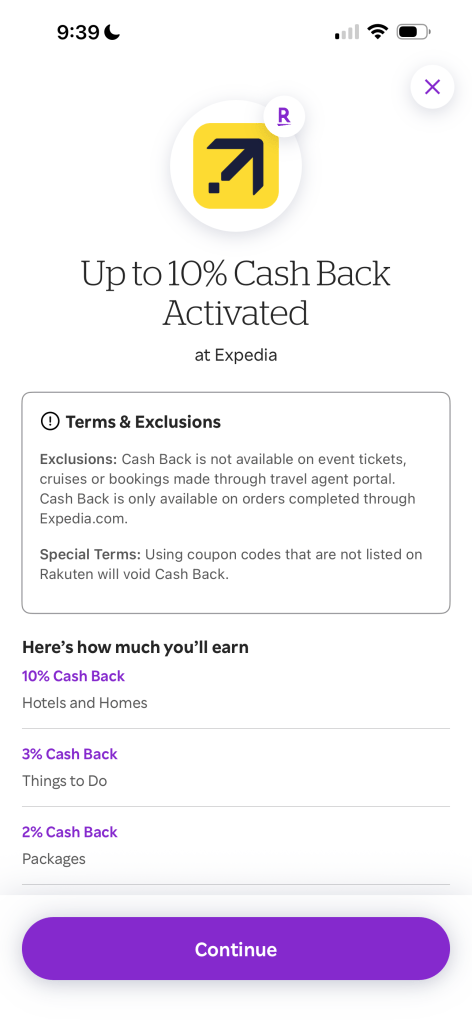
Here’s the big trick most people miss: before booking, check Rakuten to see if Expedia is offering cash back.
Rakuten frequently partners with Expedia for travel cash back, including categories like hotels, packages, rental cars, activities, and sometimes flights. The exact cash back amount changes, so always check the current offer before booking. As of my latest check, Rakuten listed Expedia cash back by category, including hotel cash back.
This is one of those tiny steps that can add up over time. You are already booking a stay, so why not get a little cash back for it?
Stack Rewards with Expedia’s OneKey Program
On top of that, Expedia has its own rewards program called One Key. With One Key, you can earn OneKeyCash on eligible bookings through Expedia and other participating brands. Expedia says eligible bookings can include hotels, vacation rentals, activities, car rentals, cruises, flights, and packages.
What I especially love about this is that you do not have to book some big fancy resort to earn rewards. Budget travelers can still earn OneKeyCash on eligible stays, including more affordable hotel bookings.
That matters because most of us are not out here booking five-star hotels every weekend. We are looking for the clean, affordable place with free breakfast and decent reviews. And if that stay helps pay for a future trip? Yes please.
Here’s my simple hotel booking stack:
- Search for hotels on Expedia.
- Compare the total price, including taxes and fees.
- Check Rakuten for Expedia cash back.
- Click through Rakuten before booking.
- Make sure you are signed into Expedia so you can earn OneKeyCash.
- Pay with a travel rewards card if you have one and use it responsibly.
Triple Stack Your Rewards On Budget Stays
Doing that means cash back on Rakuten, Onekey cash on Expedia, AND points on your travel credit card. That’s an impressive stack on a budget stay.
This is not about spending more to earn rewards. That is how travel hacking gets dangerous.
This is about earning rewards on money you already planned to spend.
2. Look for Hotels With Free Breakfast, Parking, and a Microwave
When comparing cheap hotels, don’t look only at the nightly rate.
A $95 hotel can easily become more expensive than a $120 hotel if it charges $35 for parking and does not include breakfast. This is especially true in major cities, beach towns, and popular national park gateway towns.
Before booking, check for:
- Free breakfast
- Free parking
- A fridge
- A microwave
- Laundry access
- No resort fees
- Easy access to public transportation
- Good recent reviews
And please learn from my mistakes here: a fridge alone is not always enough.
I have absolutely saved restaurant leftovers thinking, “Look at me being responsible and budget-friendly!” Then I realized the room had a fridge but no microwave.
So guess what happened?
Those leftovers sat there, untouched, while I bought another meal anyway. Not exactly my finest money-saving moment.
If you are trying to save money on food while traveling, a fridge and microwave combo is the real win. That way you can store leftovers, reheat meals, make simple breakfasts, and avoid eating every single meal out.
This is especially helpful on road trips, national park trips, and longer stays.
3. Book an Airbnb or Vrbo With a Kitchen
Hotels are not always the cheapest option, especially if you are traveling with friends or staying somewhere for several nights.
This is where Airbnb and Vrbo can be really helpful.
A rental with a kitchen can save you a lot of money because you can cook some of your own meals. Even if you do not want to cook on vacation, having a kitchen gives you options.
You can make coffee in the morning, store snacks, pack sandwiches, heat up leftovers, and avoid the dreaded “I’m starving so I’ll buy whatever is closest” travel tax.
We have all paid that tax. It’s usually overpriced airport pizza.
Airbnb and Vrbo can be especially budget-friendly when:
- You are traveling with a group.
- You are staying for several nights.
- You want access to a kitchen.
- Hotels in the area have high parking or resort fees.
- You are visiting a destination with expensive restaurants.
- You want more space than a standard hotel room.
Just make sure you compare the full price before booking. Cleaning fees, service fees, and taxes can change the total quickly.
Sometimes a rental looks cheaper at first, but a hotel wins once you see the final price. Other times, the rental is the obvious winner, especially if you can split it with friends.
Pro tip: Check Rakuten deals for Vrbo before booking.

4. Book a Private Room in a Shared Airbnb
If you are comfortable with it, booking a private room in a shared Airbnb can be a great way to save money.
This is not for every trip, but it can be perfect for short stays, solo travelers, or nights when you just need a clean place to sleep.
I did this in Miami when I needed to stay near the airport for one night. Hotels in the area were way more than I wanted to spend for such a short stay. So instead, I booked a private room in a shared Airbnb and drastically reduced the cost compared to what a hotel would have been.
Was it a luxury resort experience? No.
Did it give me a safe, affordable place to sleep before moving on with my trip? Absolutely.
And that is the key with budget travel. Not every stay needs to be magical. Sometimes your accommodation just needs to do its job, so you can spend your money on the parts of the trip that matter more to you.
Before booking a private room, I recommend checking:
- Recent reviews
- The host’s rating
- Whether the room has a lock
- Bathroom situation
- Parking or public transportation access
- Check-in instructions
- House rules
- Location safety
- Cancellation policy
A private room can be an amazing budget tool, but always trust your gut. If something feels off, skip it.
5. Try TrustedHousesitters for Free Stays
If you love animals and have flexibility in your travel plans, TrustedHousesitters can be a game-changer.
TrustedHousesitters connects travelers with homeowners who need someone to care for their pets and home while they are away. Instead of paying nightly accommodation costs, you pay an annual membership fee and can apply for house sits.
TrustedHousesitters says its membership plans allow members to arrange as many sits as they like for a whole year.
That can be huge for budget travelers.
I have a friend who used TrustedHousesitters for a year and stayed for free all over the Pacific Northwest. She was able to explore different places, spend time with adorable pets, and avoid paying for traditional accommodation.
Honestly, that is the kind of travel hack that makes you wonder why more people are not talking about it.
Of course, there is a responsibility here. You are not just getting a free place to stay. You are caring for someone’s pets and home.
That means the pets come first.
TrustedHousesitters is best for:
- Animal lovers
- Slow travelers
- Remote workers
- Flexible travelers
- People who do not mind spending time at “home”
- Travelers who want a more local experience
It may not be the best fit if you want to be out from sunrise to midnight every day. If a dog needs walks, medication, or company, you need to honor that.
But if you are happy to build your trip around pet care, this can be one of the best ways to travel cheap in the USA and beyond.
6. Stay Outside the Most Expensive Neighborhood
Location matters, but the most famous neighborhood is not always worth the price.
Sometimes staying 15–30 minutes outside the main tourist area can save a lot of money. This works especially well if there is reliable public transportation or affordable parking.
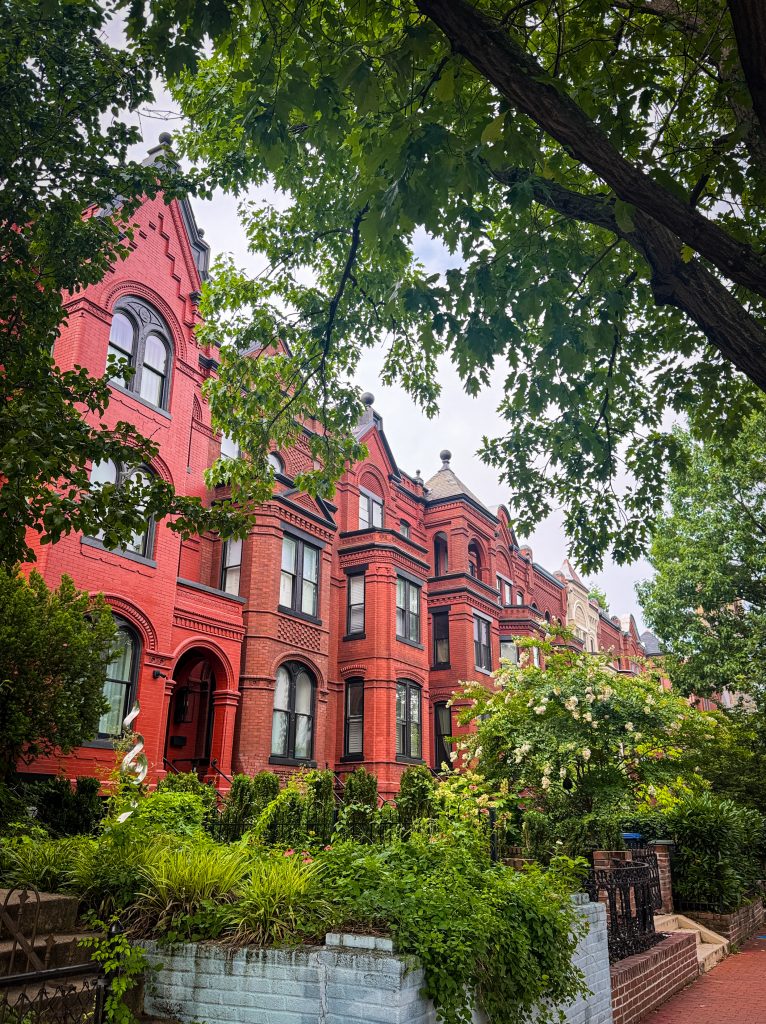
For example, staying outside downtown can be cheaper in cities like Boston, Chicago, San Diego, Seattle, and Washington, DC.
But there is a little math involved.
Before booking, compare:
- Hotel cost
- Parking cost
- Public transportation cost
- Rideshare cost
- Time spent commuting
- Safety of the area
- How often you will go back to the room
Sometimes the cheaper hotel outside the city is actually more expensive once you add transportation. Other times, it is the best budget decision.
The goal is not just to find the cheapest nightly rate. The goal is to find the cheapest total trip cost.
7. Split Accommodation Costs With Friends
Traveling with friends can make accommodation so much cheaper.
A hotel room with two queen beds, a vacation rental with multiple bedrooms, or a cabin near a national park can become surprisingly affordable when you split it.
This is one of the easiest ways to visit places that may feel expensive on your own.
You can also split:
- Rental car costs
- Gas
- Parking
- Groceries
- Vacation rental fees
- National park entrance fees
Just make sure everyone is on the same page before booking. Talk about the budget, sleeping arrangements, cancellation policy, and who is paying upfront.
Nothing ruins a friendship faster than surprise fees and unclear Venmo requests.
8. Consider Camping, But Don’t Assume It’s Always Cheapest
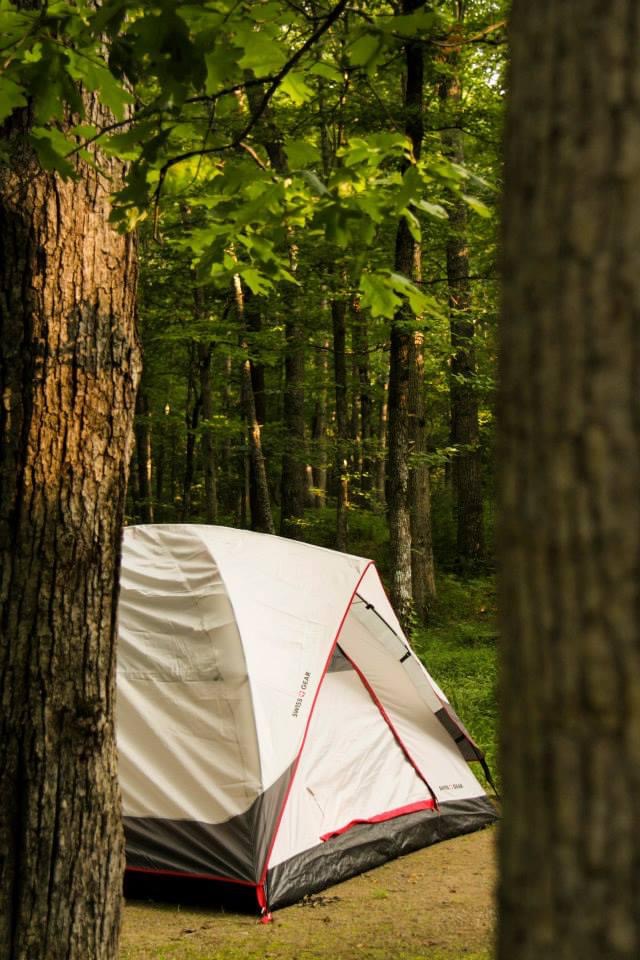
Camping can be a great way to save money in the USA, especially near national parks, state parks, lakes, and forests.
But I want to be honest: camping is not automatically cheap.
If you already have gear, camping can save a lot. If you need to buy a tent, sleeping bag, sleeping pad, cooler, stove, and other supplies, the upfront cost can be high.
Campgrounds in popular areas can also book up early or cost more than expected. Some national park campgrounds are very affordable, while private campgrounds can be surprisingly pricey.
Camping is usually best when:
- You already own or can borrow gear.
- You enjoy outdoor travel.
- You are visiting national or state parks.
- You are traveling in good weather.
- You are okay with basic amenities.
It may not be ideal if you are flying, visiting a city, or traveling somewhere with extreme heat, cold, or storms.
As always, compare the real cost before assuming it is the cheapest option.
9. Watch Out for Hotel Incidental Holds
Here’s another hotel cost that can sneak up on you: incidental holds.
A lot of bigger hotel brands will put a temporary hold on your card when you check in. This is usually meant to cover things like damages, room charges, parking, snacks, or other extras you might add during your stay.
The hold usually drops off after checkout, but it may take a few days. That’s one big reason credit cards are usually better for booking travel. If a hotel puts a hold on your debit card, that’s your actual checking account money being tied up.
And that’s not fun when you’re traveling on a budget.
But here’s the other side of it: even with a credit card, you still need to make sure your limit is high enough. If you’re planning to use that same card for trip spending, a hotel incidental hold can eat into your available credit.
So don’t get caught with limited funds because your credit limit is tied up by a temporary hotel hold.
Before your trip, check:
- How much the hotel holds for incidentals
- Whether they accept debit cards
- How long it takes for the hold to drop off
- Whether parking or resort fees are charged separately
- How much available credit you’ll need during the trip
This isn’t a reason to avoid hotels. It’s just something to plan for so your “cheap” hotel stay doesn’t accidentally mess with the rest of your travel budget.
Transportation: How to Get Around the USA for Less
Transportation is one of the biggest things to figure out when learning how to travel cheap in the USA.
The tricky part?
The USA is huge.
In some places, public transportation is amazing. In others, you basically need a car to do anything. A budget-friendly transportation plan in New York City will look completely different from one in Montana, Florida, or Arizona.
So before booking anything, ask yourself: what is the cheapest realistic way to get around this specific destination?
1. Compare Flying, Driving, Buses, Trains, and Rental Cars
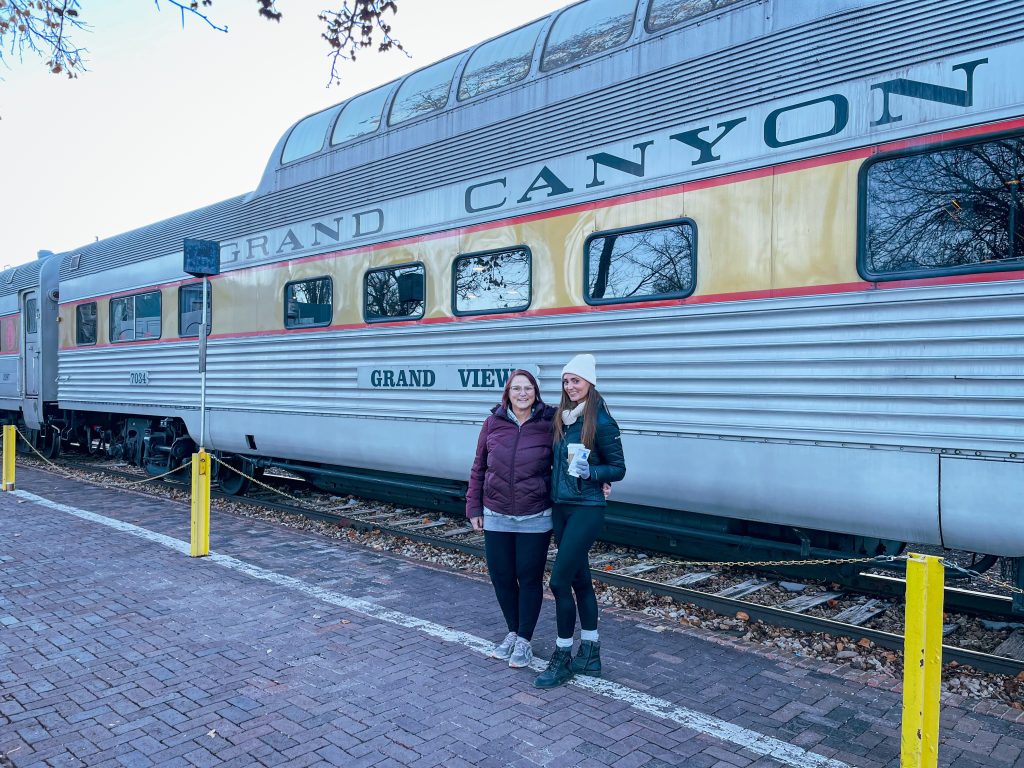
There is no one cheapest way to travel around the USA. The best option depends on distance, destination, time, and how many people are traveling.
Here is a quick breakdown:
| Transportation Option | Best For | Budget Pros | Budget Cons |
|---|---|---|---|
| Flying | Long distances or short trips | Saves time and can be cheap with deals | Baggage fees add up |
| Driving your own car | Road trips and regional travel | No rental car cost | Gas, tolls, parking, wear and tear |
| Rental car | National parks and rural areas | Flexible and convenient | Can be expensive with insurance and fees |
| Bus | City-to-city budget travel | Often very cheap | Slower and less flexible |
| Train | Scenic routes and Northeast travel | Comfortable and sometimes affordable | Not always cheaper than flying |
| Public transportation | Big cities | Saves on parking and rental cars | Not available everywhere |
| Rideshare | Short distances | Convenient | Adds up quickly |
The biggest mistake is assuming one option is always cheapest.
Sometimes flying is cheaper than driving. Sometimes driving is cheaper than flying. Sometimes the train is a steal. Sometimes the train is wildly expensive and makes no sense at all.
Budget travel is all about comparing before committing.
2. Use Public Transportation in Big Cities
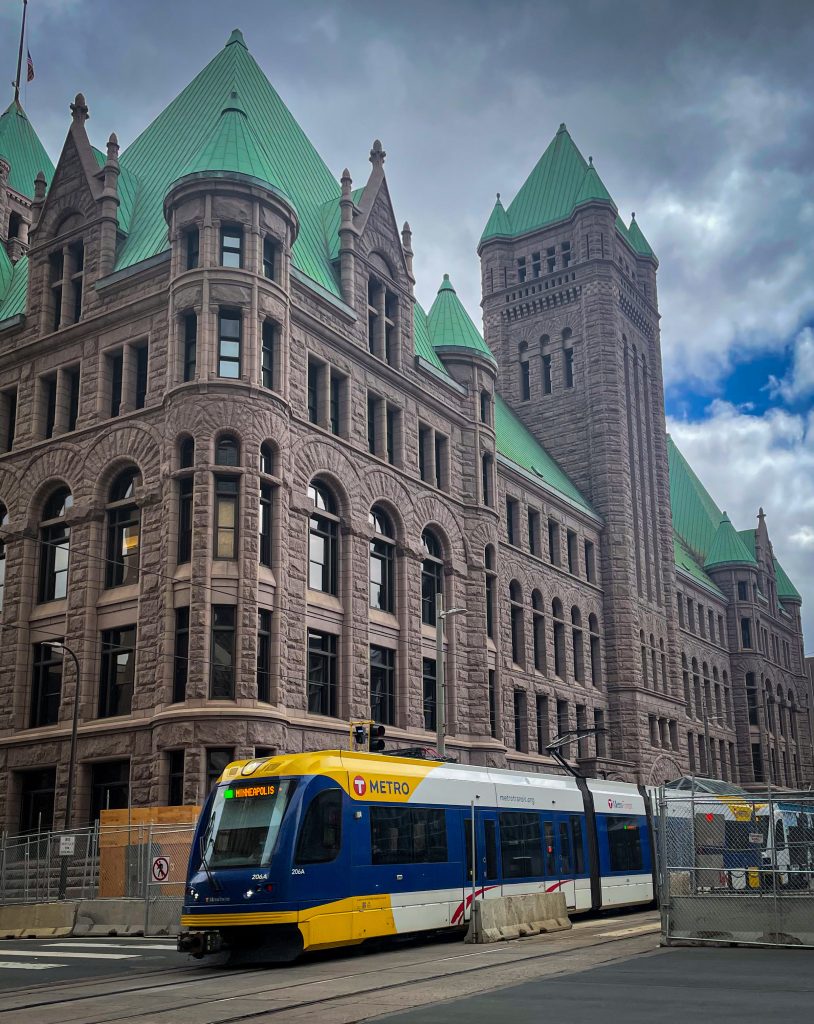
If you are visiting a major US city, public transportation can save you a ton of money.
In places like New York City, Washington DC, Boston, Chicago, Philadelphia, and San Francisco, renting a car can be more stressful and expensive than helpful.
Parking alone can wreck your budget.
Before booking a rental car, check:
- Does the city have a subway, metro, bus, or train system?
- Is your hotel near a transit stop?
- Are the main attractions easy to reach without a car?
- Does the city offer day passes or multi-day transit passes?
- How much does hotel parking cost?
In some cities, staying near public transportation is worth paying a little extra for your accommodation. You might spend more on the hotel but save more by skipping the rental car, parking fees, gas, and rideshares.
Now that’s a budget win.
3. Take the Bus Between Cities
Buses are not always glamorous, but they can be one of the cheapest ways to travel between cities in the USA.
Companies like FlixBus and Greyhound connect many popular destinations. FlixBus promotes affordable bus tickets and a large route network in the US and worldwide.
This can work especially well for:
- Northeast city trips
- California routes
- Florida routes
- Texas routes
- Short city-to-city hops
- Solo travelers who do not want to rent a car
Before booking, check the bus station location. Sometimes the station is central and convenient. Other times, it is far from where you actually need to be.
Also check arrival times. A super cheap ticket that arrives at 2 AM may not be worth it if you then need an expensive rideshare or feel unsafe.
Cheap is great. Safe and practical is better.
4. Check Amtrak Deals
Amtrak is another option worth comparing, especially in the Northeast and on scenic routes.
Is Amtrak always cheap? No.
Sometimes it is more expensive than flying, which feels illegal but somehow happens.
But Amtrak does offer deals and discounts, including Night Owl Fares, Share Fares, and everyday discounts for groups like children, seniors, students, and more.
Night Owl Fares apply to select trains with departures scheduled between 6 PM and 8 AM.
So if your route lines up with a deal, the train can be a great budget option.
Trains can also save money in other ways. You usually avoid airport security stress, baggage can be more flexible, and stations are often closer to the city center than airports.
Just compare the full picture before booking.
5. Save Money on Rental Cars
Sometimes renting a car is the best option, especially for national parks, small towns, beach trips, and rural destinations.
I like to search for the best rates on GetRentacar.
But rental cars can get expensive fast.
Here are my best rental car savings tips:
- Compare airport and off-airport pickup locations.
- Book early, then check prices again later.
- Avoid renting a car for city-only days.
- Check if your credit card offers rental car coverage.
- Watch for one-way rental fees.
- Return the car with the correct fuel level.
- Take photos before driving away.
- Compare weekly rates if your trip is longer.
- Check Rakuten for rental car cash back before booking.
One of my favorite tricks is to only rent a car for the days I actually need it.
For example, if I am spending three days in a city and two days exploring outside the city, I may only rent the car for the final two days. That way I am not paying for parking while the car just sits there looking expensive.
6. Road Trip Smarter
Road trips can be one of the best ways to travel cheap in the USA, especially if you are traveling with another person and splitting costs.
But road trips can also sneakily get expensive.
Gas, snacks, tolls, parking, coffee stops, and random “we deserve a treat” purchases add up quickly.
Here’s how to keep a USA road trip affordable:
- Pack snacks before leaving.
- Bring a reusable water bottle.
- Use grocery stores instead of gas stations for food.
- Compare gas prices along your route.
- Avoid toll roads when the free route is reasonable.
- Choose hotels with free parking.
- Plan free scenic stops.
- Split gas with travel buddies.
- Keep the itinerary realistic.
That last one matters more than people think.
Trying to cover too much ground can cost more in gas, more in last-minute hotels, and more in exhaustion. Slow down when you can. You will save money and probably enjoy the trip more.
7. Don’t Forget About Parking Costs
Parking is one of the sneakiest USA travel expenses.
A hotel may look affordable until you realize parking is $30, $40, or even more per night. That can add hundreds to a trip.
Before booking a hotel or rental car, always check parking.
Look for:
- Free hotel parking
- Street parking rules
- Overnight parking restrictions
- Public garages nearby
- Park-and-ride options
- Whether you even need a car
This is especially important in cities, beach towns, downtown areas, and near major attractions.
A slightly more expensive hotel with free parking may be cheaper than a budget hotel with paid parking.
Again, we are looking at the total trip cost, not just the pretty number that shows up first.
8. Watch out for toll toads
Toll roads can be a sneaky road trip expense, especially because they’re not always obvious anymore.
Back in the day, you’d pull up to an actual booth, hand cash to an attendant, and go on your merry way. Now, many toll roads are electronic. If you don’t have the correct pass, sticker, or barcode on your windshield, you may end up getting a ticket or bill in the mail.
Ask me how I know.
This has happened to me in two different states. I wasn’t even aware I’d gone through a toll zone until the notice showed up later, conveniently after the due date. That meant late fees on top of the toll,
So before a road trip, check whether your route includes toll roads and find out how that state handles payments.
Some rental car companies also charge extra fees for toll processing, so don’t ignore that tiny fine print either. Avoiding toll roads can save money, but being prepared for them can save you even more stress.
Save Money on Food While Traveling in the USA
Food is one of my favorite parts of travel, so I will never tell you to skip every restaurant and survive on granola bars.
That sounds sad.
Trying local food is part of the experience. But eating out three times a day in the USA can get expensive fast.
The goal is balance.
Splurge on the meals that matter, and save on the ones that do not.

1. Book Stays That Help You Eat Cheaper
This is why accommodation matters so much.
A hotel with free breakfast can save a family a lot of money. A room with a fridge and microwave can turn leftovers into lunch. A rental with a kitchen can make a longer trip way more affordable.
When possible, choose accommodation that gives you at least one of these:
- Free breakfast
- Fridge
- Microwave
- Kitchenette
- Full kitchen
- Coffee maker
- Free coffee or tea
- Access to plates and utensils
Even simple things help.
If you can eat breakfast in your room, pack snacks, and reheat leftovers, you can save money without feeling deprived.
2. Make Lunch Your Splurge Meal
Restaurants are often cheaper at lunch than dinner.
If there is a popular restaurant you really want to try, check whether they have lunch specials. You may get a similar experience for less money.
Then dinner can be something simple, like leftovers, groceries, or a casual local spot.
This is one of my favorite ways to enjoy food while still keeping the overall trip budget under control.
3. Grocery Shop for Easy Meals and Snacks
You do not need to cook full meals to save money.
Even a quick grocery stop can make a big difference.
Pick up things like:
- Yogurt
- Fruit
- Bagels
- Peanut butter
- Sandwich supplies
- Protein bars
- Trail mix
- Salad kits
- Microwave meals
Having snacks on hand helps you avoid overpriced convenience food.
It also helps prevent the dangerous travel mood known as “hangry and willing to spend anything.”
We have all been there.
4. Mix Cheap Eats With One or Two Memorable Meals
Budget travel does not mean missing out.
It means choosing intentionally.
Maybe you make breakfast in your room, grab a cheap lunch, and splurge on an amazing dinner. Or maybe you eat simple meals most of the trip so you can afford one special restaurant, food tour, or local experience.
That balance keeps travel affordable without making it feel restrictive.
Because honestly, what is the point of traveling if you cannot enjoy yourself?
Common Mistakes That Make USA Travel More Expensive
Even budget travelers make mistakes. I have made plenty.
The goal is not perfection. The goal is learning how to catch the sneaky expenses before they catch you.
Here are some common mistakes to avoid when traveling cheap in the USA.
1. Booking a Hotel With a Fridge but No Microwave
This deserves its own warning because it is so easy to overlook.
A fridge sounds helpful until you realize you have no way to heat anything up. Then your restaurant leftovers just sit there, judging you every time you open the door.
If your plan is to save money by eating leftovers, make sure your room has both a fridge and a microwave.
Or book a place with a kitchenette or kitchen instead.
2. Ignoring Parking Fees
Parking can completely change your hotel budget.
Always check parking costs before booking, especially in major cities, beach towns, and downtown areas.
3. Renting a Car When You Don’t Need One
A rental car can be helpful, but it can also be a budget disaster in cities with good public transportation.
Before renting, compare the cost of public transit, rideshares, walking, and day tours.
4. Booking During Holidays or Major Events
Hotel and flight prices can skyrocket during holidays, festivals, concerts, sports events, and school breaks.
Before choosing dates, check the local event calendar.
5. Trying to Visit Too Many Places
Moving around too much usually means spending more on transportation and less time actually enjoying the trip.
Sometimes the cheapest and best trip is the slower one.
6. Forgetting About Resort Fees and Cleaning Fees
Always click through to the final price before comparing accommodations.
A hotel or vacation rental can look affordable until the fees show up.
7. Eating Every Meal Out
You do not need to cook every meal, but eating out three times a day gets expensive quickly.
Choose accommodation that helps you prepare simple meals or store leftovers.
My Favorite Cheap USA Travel Booking Stack
If you want a simple system for how to travel cheap in the USA, this is what I would do:
- Search flexible flights on Skyscanner and Google Flights.
- Compare nearby airports and flexible dates.
- Check whether flying, driving, taking a bus, or riding Amtrak is cheapest.
- Search Expedia for hotels and vacation rentals.
- Check Rakuten for cash back before booking.
- Sign into Expedia to earn OneKeyCash on eligible bookings.
- Compare Airbnb and Vrbo if you need a kitchen or more space.
- Look at TrustedHousesitters if you are flexible and love animals.
- Choose accommodations with free breakfast, parking, a fridge, microwave, or kitchen.
- Plan free and low-cost activities before adding paid attractions.
This is how you keep travel realistic.
Not by cutting out every fun thing. Not by making the trip miserable. But by being strategic with the big expenses so you have more money for the experiences that matter.
FAQ: How To Travel Cheap In The USA
What is the cheapest way to travel around the USA?
The cheapest way to travel around the USA depends on where you are going. For big cities, public transportation is often cheapest. For long distances, cheap flights can beat driving. For short city-to-city trips, buses can be very affordable. For national parks and rural areas, driving or renting a car may be the most practical option.
Is it cheaper to fly or drive in the USA?
It depends on distance, gas prices, parking, rental car costs, and how many people are traveling. Solo travelers may find cheap flights are less expensive. Groups may save more by driving and splitting gas, parking, and accommodation.
How can I find cheap hotels in the USA?
To find cheap hotels in the USA, compare prices on booking sites like Expedia, travel during off-peak seasons, check nearby neighborhoods, look for free breakfast and parking, and use cash back tools like Rakuten when available. Make sure you compare the final price, including taxes and fees.
Is Airbnb or Vrbo cheaper than a hotel?
Airbnb or Vrbo can be cheaper than a hotel, especially for groups, longer stays, or trips where you want a kitchen. However, cleaning fees and service fees can add up. Always compare the final price before booking.
Is TrustedHousesitters worth it for traveling in the USA?
TrustedHousesitters can be worth it if you love animals, have flexible travel plans, and are comfortable caring for someone’s pets and home. You pay an annual membership fee and can apply for house sits, which can help you save a lot on accommodation.
Can you travel the USA without a car?
Yes, you can travel parts of the USA without a car, especially major cities like New York City, Washington DC, Boston, Chicago, Philadelphia, and San Francisco. However, many national parks, small towns, and rural areas are much easier with a car.
What is the cheapest month to travel in the USA?
The cheapest months depend on the destination, but shoulder seasons are often the best value. Spring and fall can bring lower prices, better weather, and smaller crowds in many parts of the USA. Avoid major holidays and school breaks when possible.
How do I save money on national parks?
If you plan to visit several national parks in one year, check whether an America the Beautiful Pass makes sense. The National Park Service lists the annual pass for U.S. residents at $80 for 2026, and it covers entrance fees and standard amenity fees at many federal recreation sites.
You can also save by visiting on free entrance days, camping when practical, packing your own food, and staying outside the most expensive gateway towns.
Final Thoughts: You Really Can Travel the USA on a Budget
Traveling the USA can be expensive, but it does not have to be out of reach.
You don’t need a luxury budget to have an unforgettable adventure. You just need a little strategy, some flexibility, and the willingness to compare your options before booking.
Use flight tools to find cheap routes. Stack Expedia, Rakuten, and One Key when it makes sense. Look for stays with kitchens, microwaves, free breakfast, or free parking. Consider TrustedHousesitters if you love animals and want free accommodation. Use public transportation where it works, and road trip smart when driving makes more sense.
Most importantly, remember that budget travel is not about doing less.
It is about spending less on the things that do not matter as much, so you can say yes to the experiences that do.
Your dream USA trip may be more possible than you think.
Happy exploring, and remember to Be Free and Travel! 🌏✈️